Freespeed Brilliant Solutions

Aviation & defence technology · India

Safety systems for aviation. Sovereign technology for defence.

Freespeed builds the risk and compliance software that DGCA-regulated operators run every day, and engineers indigenous systems for India’s maritime, unmanned and defence programmes.

  • Founded by two retired Indian Navy officers
  • DPIIT-recognised DeepTech startup
  • MSME · Udyam registered
  • Incorporated in Karnataka, India

The company

Written by the people who have to answer to the regulator.

Freespeed Private Limited was founded by two retired Indian Navy Lieutenant Commanders. Between them they flew the P‑8I and commanded the MQ‑9B, and both served on the programme that brought India’s first large remotely piloted aircraft into national airspace — writing the operating procedures for it alongside the Indian Air Force, the DGCA and General Atomics.

That is an unusual place to start a software company, and it shows in the products. Everything we build begins with the regulation and the operational reality behind it, rather than a generic workflow tool bent to fit aviation afterwards.

The same discipline drives the defence work. Systems are designed, sourced and manufactured in India, for capability the country currently imports — and we would rather show you where a programme actually stands than where a brochure says it does.

Government of India recognition

Recognised as a DeepTech startup by DPIIT.

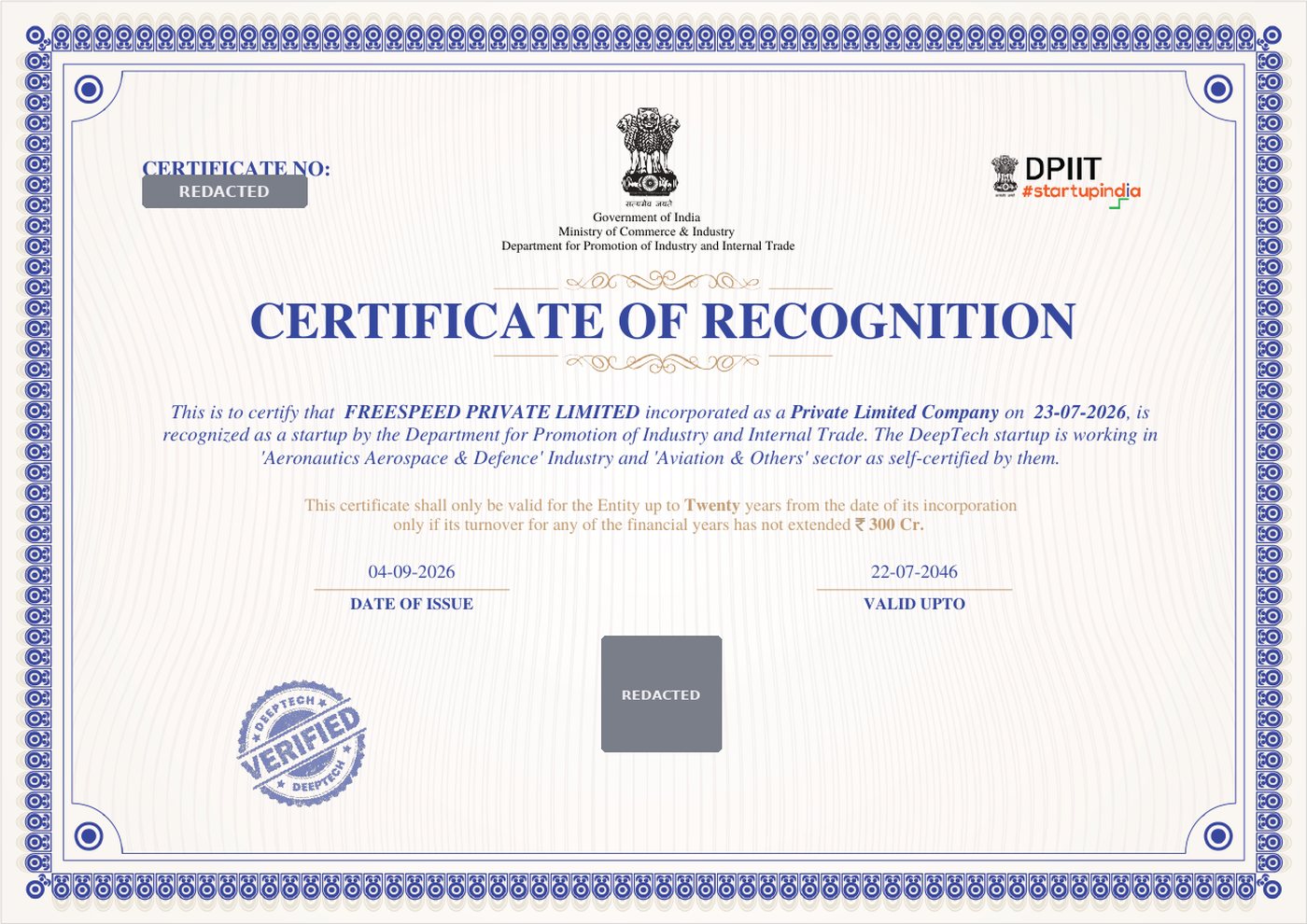
The Department for Promotion of Industry and Internal Trade, Ministry of Commerce & Industry, has recognised Freespeed Private Limited as a DeepTech startup in the Aeronautics, Aerospace & Defence industry.

StatusDeepTech startup · DPIIT recognised
IndustryAeronautics, Aerospace & Defence
SectorAviation & Others
Incorporated23 July 2026
Recognised4 September 2026
Valid to22 July 2046, subject to the DPIIT turnover ceiling of ₹300 Cr
DPIIT Certificate of Recognition naming Freespeed Private Limited as a DeepTech startup, issued 4 September 2026, with the certificate number and verification code redacted.

Certificate number and verification code redacted for publication.

Platforms in service

Compliance software, already flying.

In use with business-jet, charter and scheduled operators across India — deployed, supported and extended against real audit cycles.

SRA

Safety Risk Assessment

Structured hazard identification, severity × likelihood assessment and mitigation tracking, aligned to ICAO Annex 19 and DGCA safety management requirements. Assessments are versioned, evidenced and exportable, so a decision taken eighteen months ago can still be defended today.

DMS

Document Management System

Controlled distribution of OM A, B and C and company manuals, with read-and-sign acknowledgement, revision and amendment control, digital signature on distribution, controlled-copy handling and a regulator-ready audit trail. Built multi-tenant, and sized for 200 MB+ manual sets.

Validations

Currency & expiries

Licences, medicals, ratings and manual acknowledgements tracked against their expiry dates, with T−30 and T−6 alerts to crew and post holders. Separate pilot and cabin crew profiles, and block times kept on a 24-hour UTC basis.

Ops data

Aerodrome & route intelligence

Aerodrome briefings and OM C libraries assembled from live weather, NOTAM feeds and Indian airfield data — including multi-aerodrome libraries delivered for long-range business-jet fleets, and single-field assessments for one-off operations.

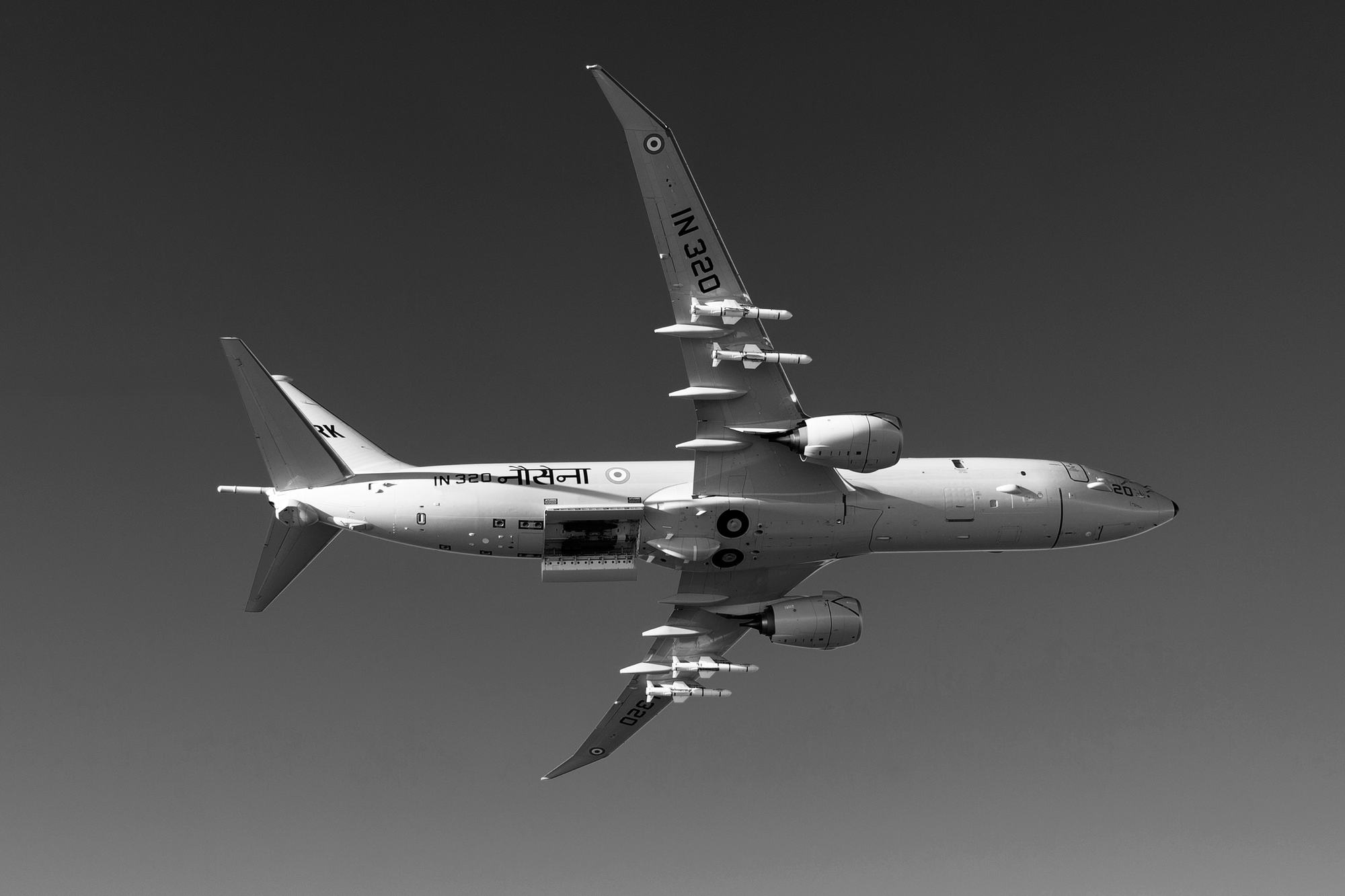
A maritime patrol aircraft photographed from directly overhead in flight.
The P‑8I — 4,500 hours of it in our co-founder’s logbook, and the platform our sonobuoys are built for

Defence & sovereign systems

Capability India imports today, designed and built here.

Three engineering programmes, each taken from concept through to an indigenous supply chain — design authority, source code and manufacture held in India.

In development

Indigenous sonobuoys

A full family of air-dropped sonobuoys — bathythermograph, passive DIFAR and active DICASS — engineered to AN/SSQ form factors for fixed-wing maritime patrol, with GPS position reporting and a battery, flotation and sensor chain sourced and manufactured in India.

BT → passive → active  ·  phased delivery

Design stage

Underwater technologies

Acoustic sensing, flotation, deployment and recovery engineering for the subsurface domain — developed alongside the sonobuoy programme and applicable to wider maritime surveillance and survey tasking.

Acoustic chain  ·  deployment  ·  recovery

Prototype

BVLOS communications

Beyond-visual-line-of-sight command and control for unmanned aircraft over the cellular network, with dual-carrier failover — so a platform can be tasked from point A to point B without a line-of-sight radio link. Applicable to delivery, inspection, survey and defence tasking.

Cellular C2  ·  dual-carrier failover

We state programme maturity plainly. These are active engineering programmes rather than catalogue items — we would rather be judged on where the work actually stands.

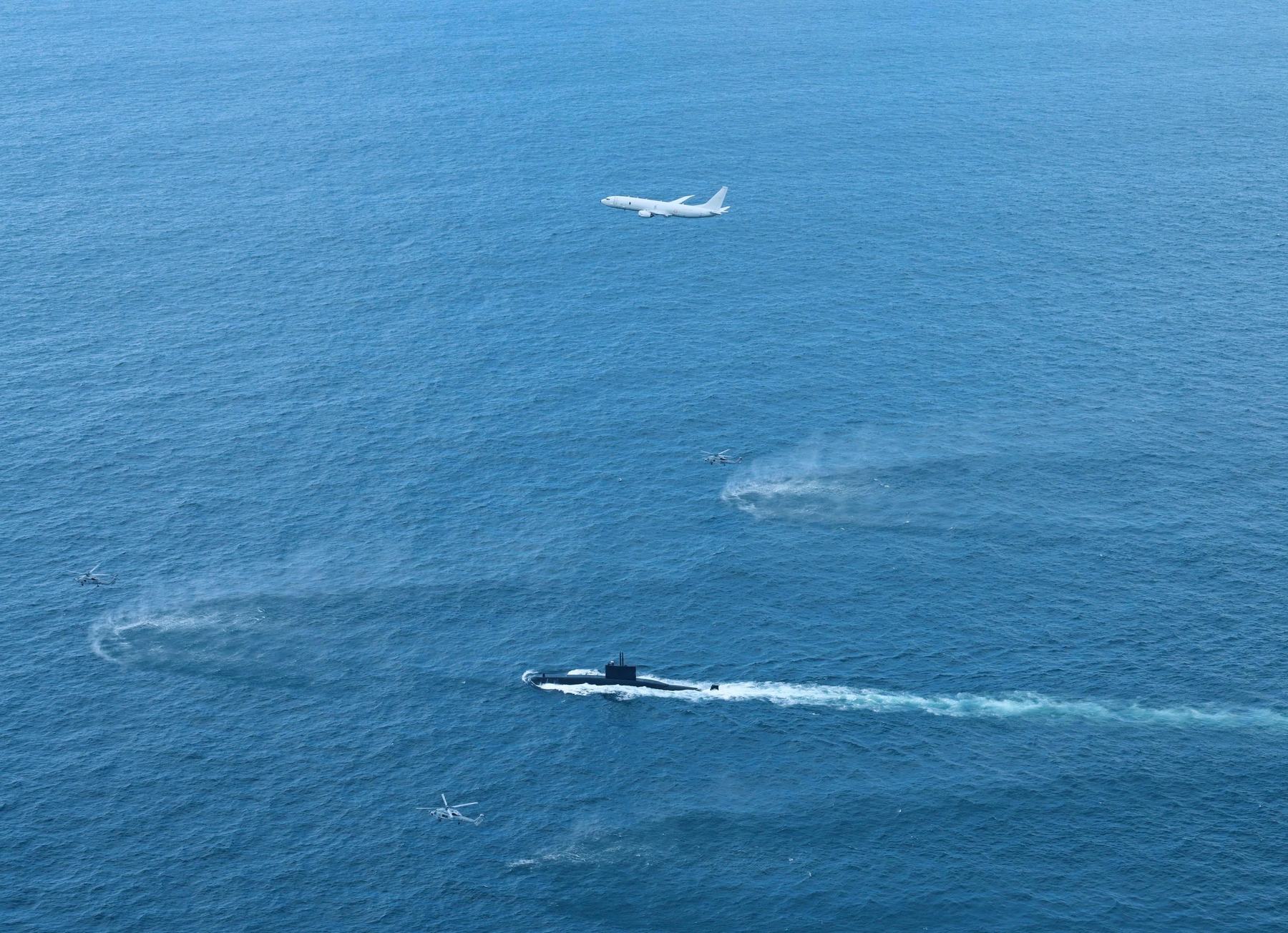
A maritime patrol aircraft and three helicopters working a surfaced submarine from the air.
Anti-submarine warfare — the problem the buoy exists to solve

Programme detail

A sonobuoy family, engineered end to end in India.

India operates one of the region’s largest maritime patrol fleets and buys every sonobuoy it drops. We are building the alternative: the same three buoy types, to NATO-standard form factors, with the design authority and the supply chain held here.

SEA SURFACE RELEASE HYDROPHONE GPS SONOBUOY
BTBathythermograph — water column temperature profile, the first buoy in any search
PassiveDIFAR — directional acoustic detection without revealing the searcher
ActiveDICASS — commanded acoustic transmission for localisation and attack criteria
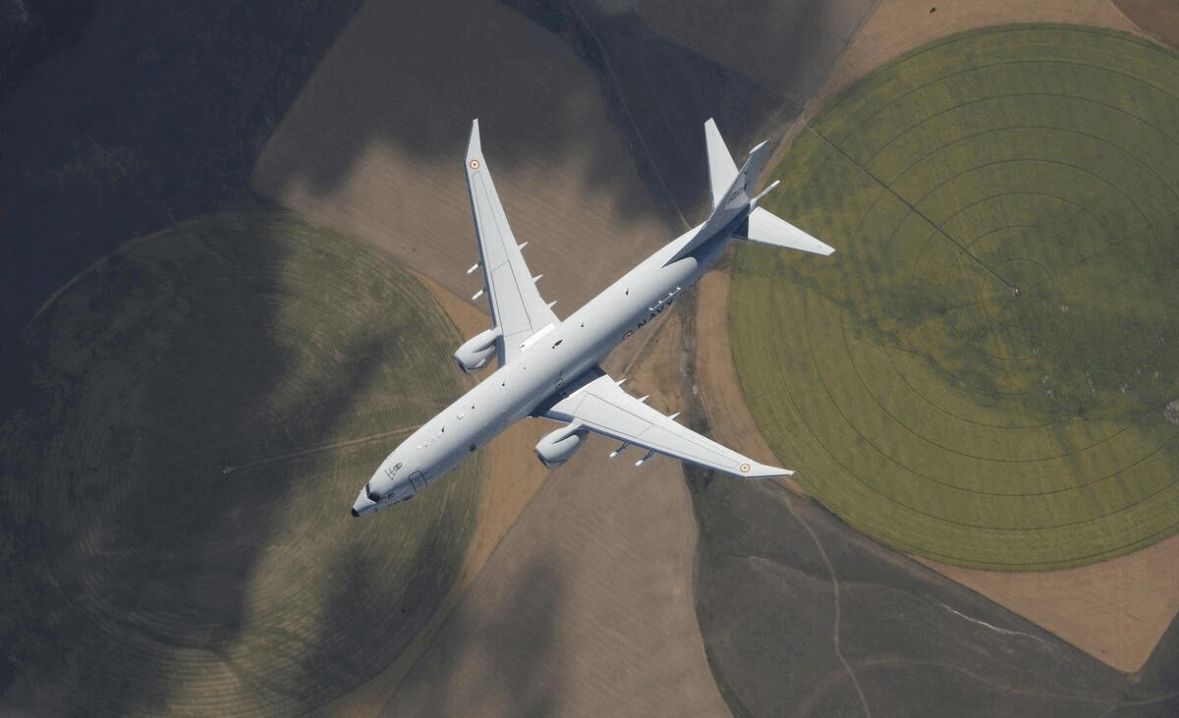
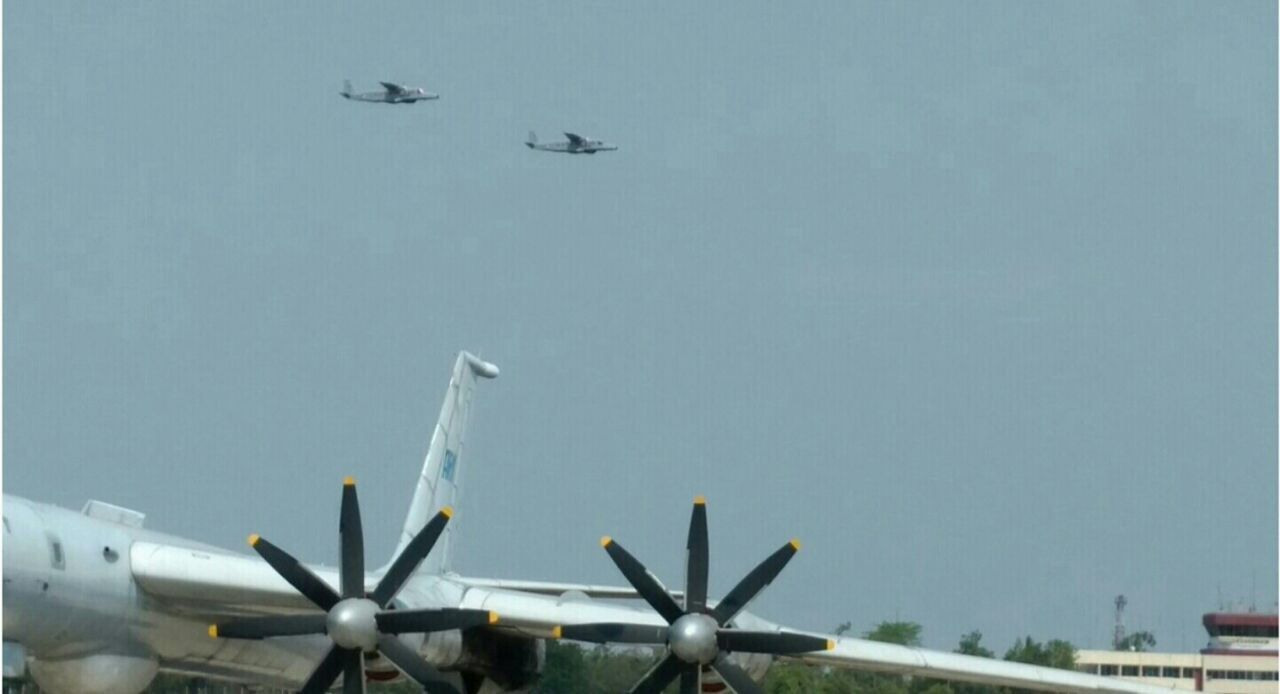
Two maritime patrol aircraft in formation over a parked long-range patrol aircraft at a naval air station.
The Dornier 228 — the maritime type both founders logged their first thousands of hours on

Leadership

Two founders, one wardroom.

Both co-founders are retired Lieutenant Commanders of the Indian Navy, and both served on the MQ‑9B induction programme. Freespeed is what happened after the uniform came off.

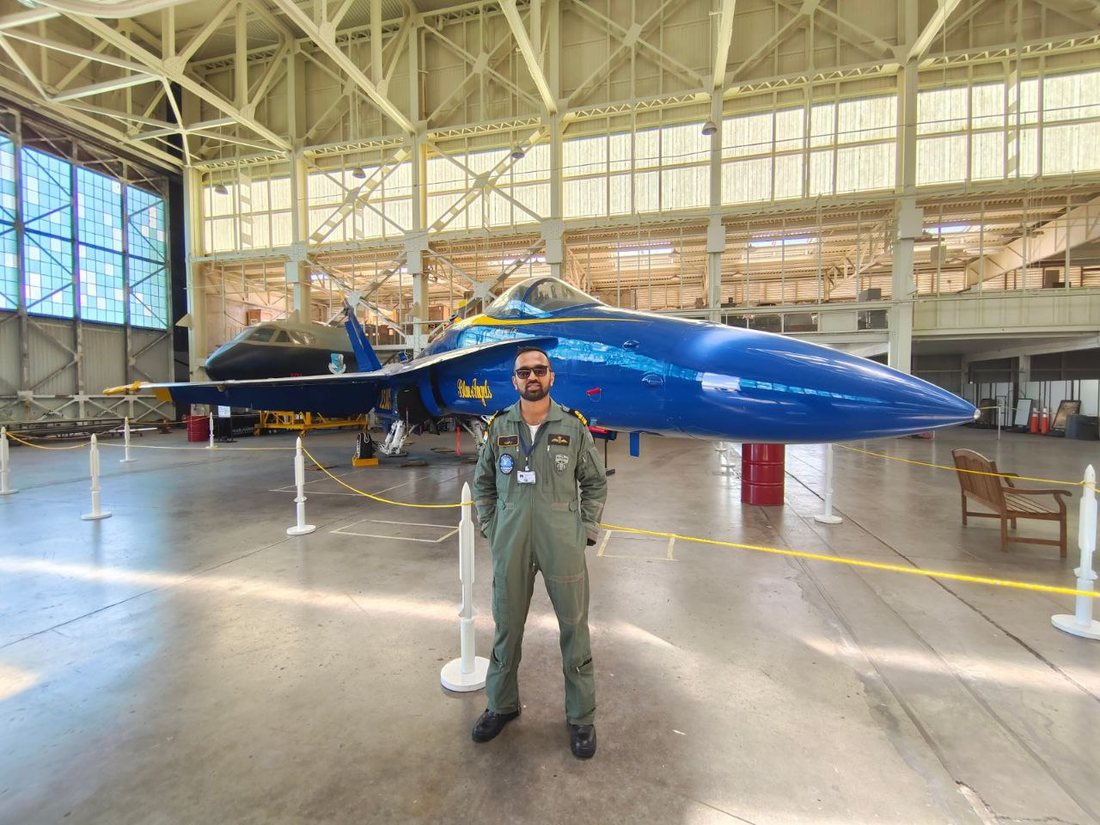
Capt. Guruprasad Kenchappa in flying overalls in an aircraft hangar.

Co-founder

Capt. Guruprasad Kenchappa

Lieutenant Commander (Retd.), Indian Navy · 13 years

Most of his service was spent on the flight deck of the P‑8I, where he logged 4,500 hours as Captain of Aircraft on maritime patrol and anti-submarine work. He went on to lead the Navy’s side of the MQ‑9B induction programme — a USD 380 million effort, a team of a hundred, and the first standard operating procedures for a large remotely piloted aircraft in Indian airspace.

He now flies as Pilot-in-Command on a Boeing BBJ MAX 8, with more than 5,500 hours logged, and leads Freespeed’s safety, compliance and regulatory work. A competency- and evidence-based training specialist, he has argued consistently for Indian aviation moving from reactive safety to predictive safety — which is, in the end, what the software is for.

  • DGCA ATPL
  • 5,500+ hours
  • P‑8I Captain of Aircraft
  • PIC · Boeing BBJ MAX 8
  • CBTA / EBT
  • ELP Level 5
  • B.E. Electronics & Communication, BIT Bangalore
  • IIM Bangalore
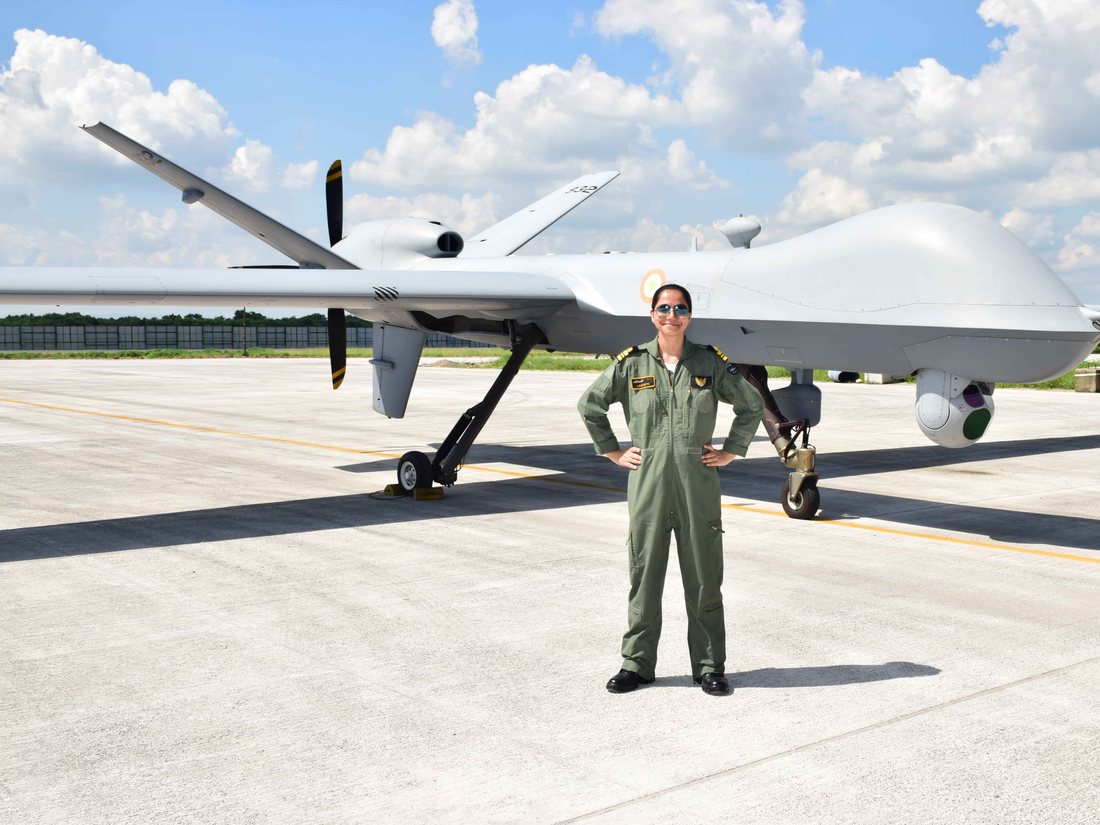
Aakriti Mehta in flying overalls on the flight line beside an MQ-9B remotely piloted aircraft.

Co-founder

Aakriti Mehta

Lieutenant Commander (Retd.), Indian Navy · 10 years

She came to the same programme from the unmanned side: 2,500 hours as Mission Commander on the MQ‑9B, and programme management of its acquisition and stand-up in Indian airspace. She built the operating procedures with the Indian Air Force and General Atomics, and ran round-the-clock operations across crew, servicing and a spares inventory north of USD 100 million.

Before that came 2,000 hours on the Dornier 228 in maritime surveillance, and the ground and flight trials of a new radio fit for the type. She also led the team that built the Navy’s post-sortie data synthesiser, turning raw aircraft data into something crews could read at a glance. That unmanned and communications background sits directly beneath Freespeed’s BVLOS programme.

  • 2,500+ hours · MQ‑9B
  • 2,000+ hours · Dornier 228
  • Mission Commander
  • Programme management
  • Lean Six Sigma · Green Belt
  • B.Tech Electronics & Communication

How we work

Three commitments we will be held to.

Domain first

Requirements come from post holders, safety managers and crew — the people who carry the consequence when a system is wrong. We build against their day, not a feature list.

Evidence by default

Every action is logged, versioned and retrievable. Audit readiness is a property of the system, not a project you run for three weeks before an inspection.

Indigenous by design

Design authority, source code and supply chain held in India, with local sourcing planned from the first drawing rather than substituted in later.

Contact

Talk to us.

For operators evaluating safety and compliance software, and for primes, laboratories and government programmes looking for an indigenous development partner.

Registered officeKarnataka, IndiaFull postal address to be added
EnquiriesOperators, primes & government programmesResponse within two working days